
Some of the best days out of Toronto never need a hotel booking. Within about two hours of the city you can stand at the base of one of the world’s great waterfalls, taste wine a few steps from the vines that grew it, walk a gorge cut through limestone, or ride a gondola over autumn colour to a view of Georgian Bay. These are the 10 best day trips from Toronto, picked because each one works as a genuine single-day round trip: drive there in the morning, have a full day, and be home for dinner. Every trip below gives you the drive time from downtown Toronto, what to actually do once you arrive, and a one-day plan that fits the hours you have. Leave early, check opening times the night before, and let the season shape your pick — fall colour, summer beaches, winter lights and spring markets all reward different trips on this list.
The 10 best day trips from Toronto
1. Niagara Falls — the classic, about 90 minutes
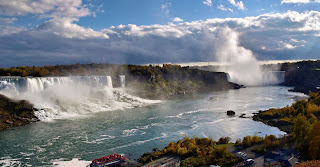
Niagara Falls sits about 130 kilometres from downtown Toronto, roughly 90 minutes by car on the Queen Elizabeth Way in light traffic, so it is the easiest big-name escape on this list — and the one first-time visitors should do first. Start at Table Rock, right beside the Canadian Horseshoe Falls, where the water drops almost close enough to touch, then walk the riverside path through Queen Victoria Park for the wide view across to the American Falls. The boat cruise to the base of the falls, the Voyage to the Falls, runs seasonally from spring through November and takes about 20 minutes, and it is the single best way to feel the scale of the place — you will get wet, so bring a layer you do not mind dampening. If the boat is not running on your visit, Journey Behind the Falls, reached from Table Rock itself, is open year-round and takes you through tunnels to viewing decks behind the falling water.
One-day plan
Arrive by 10 a.m., take the boat or the tunnels before the midday crowds, walk the parkway, have lunch on Queen Street, and drive home along the Niagara Parkway for the slow, scenic return.
2. Niagara-on-the-Lake and wine country — about 90 minutes, plus 25 minutes past the Falls
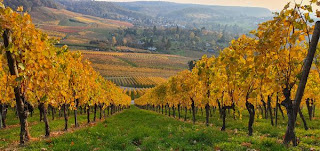
Twenty-five minutes north of the Falls, the road changes character completely. Niagara-on-the-Lake is a small lakeside heritage town of clapboard storefronts, flower-hung lamps and a main street — Queen Street — made for slow wandering, and it is the gateway to one of Canada’s best-known wine regions. The Shaw Festival, founded in 1962, stages its season in town from spring through fall, so a matinee is a fine anchor for the day if you book ahead. Between shows, the wine route does the rest: more than 40 wineries line the Niagara Parkway and Lakeshore Road, including long-established names such as Peller Estates, Inniskillin — a pioneer of Canadian icewine — Jackson-Triggs and Trius, and most of the best-known estates sit within a short drive of Queen Street. Tastings are ticketed, so pick two or three wineries rather than trying to rush through six.
One-day plan
Start in town for coffee and a Queen Street wander, take a late-morning tasting at one estate, lunch at a winery restaurant, fit in a second tasting or the Shaw Festival matinee, and finish with the Niagara Parkway drive back toward the Falls at golden hour.
3. Elora and Fergus — about 1.5 hours
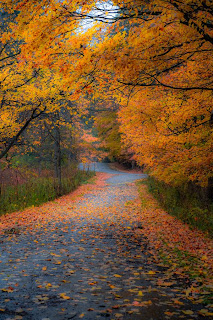
Elora is the prettiest small-town escape within easy reach of Toronto, and the Elora Gorge is the reason. The Grand River runs through a gorge about two kilometres long, with limestone cliffs rising 22 metres above the water, and the Grand River Conservation Authority’s trails and lookouts run along the rim — stay on the marked trails and behind the barriers, because the walls are steep. The gorge is at its most dramatic in autumn, when the cliffs are wrapped in colour, and in summer the river below carries tubers and kayakers through the rapids. The village itself is a stone-built main street of galleries, studios and small shops, with the Tooth of Time waterfall where the Irvine River meets the Grand. Cross over to Fergus, a few minutes away, for its own historic downtown and the riverside Templin Gardens, and you have two towns and a gorge in one easy day.
One-day plan
Walk the gorge trails first thing, browse Elora’s main street over lunch, then drive to Fergus for a riverside stroll and coffee before the drive home.
4. St. Jacobs Country — about 1.5 hours
St. Jacobs is the day trip for people who plan their weekends around food. The St. Jacobs Farmers’ Market, about 15 minutes north of Waterloo, is Canada’s largest year-round farmers’ market, open every Thursday and Saturday all year plus Tuesdays in summer, with Saturday hours running from 7 a.m. to 3:30 p.m. Arrive hungry: the market halls and outdoor stalls sell fresh produce, Mennonite baking, meats and cheeses, preserves, flowers and crafts, and much of the produce comes from Old Order Mennonite farms in the surrounding countryside — horse-drawn buggies on the local roads are a normal sight here, not a performance. After the market, drive the country roads through Waterloo County to the village of St. Jacobs itself, a tidy main street of quilt shops, furniture makers and small cafes, and stop at a farm gate or two on the way home for pumpkins, apples or cider in season.
One-day plan
Leave by 7:30 a.m. for a Saturday market morning, eat a late breakfast at the market, browse the village in the early afternoon, and take the country roads home with a farm-gate stop.
5. Stratford — about 1.5 to 2 hours
Stratford is Canada’s leading theatre town, built around the Stratford Festival, which runs each year from spring through fall and draws audiences from across the continent for Shakespeare, musicals and new work. A matinee followed by dinner is one of Ontario’s great day-trip rituals, and weekend performances sell out, so book tickets before you leave Toronto. Even without a show, Stratford earns the drive: it is a compact, walkable city with a handsome downtown, independent shops, chocolate makers and bakeries, and a food scene that punches well above the town’s size. Walk the river paths, browse the downtown streets, and treat lunch as part of the event rather than a pit stop — Stratford’s restaurants are a destination in themselves.
One-day plan
Arrive late morning, walk downtown and have lunch, take a matinee performance in the afternoon, and finish with an early dinner before the drive home.
6. Prince Edward County — about 2 to 2.5 hours
Yes, this is the longest drive on this list, and yes, it is worth it. Prince Edward County — “the County” to everyone who knows it — sits about 200 kilometres east of Toronto on a Lake Ontario peninsula, reached by Highway 401 and then south toward Picton, and it packs wine country, beaches and three small towns into one unhurried landscape. There are more than 40 wineries here, known above all for cool-climate Pinot Noir and Chardonnay grown on limestone soil, with the thickest cluster of tasting rooms along County Road 1 through Hillier and Wellington; pick three at most and give each one time. Sandbanks Provincial Park is the County’s natural showpiece, home to the world’s largest baymouth barrier dune formation on a freshwater shoreline, with dunes reaching 25 metres high — in summer, check the park’s day-use vehicle permit rules before you go, because the beach lots fill fast. Picton is the County’s main town and the best lunch stop, while Wellington and Bloomfield are smaller, slower and worth a wander.
One-day plan
Leave by 8 a.m., reach Wellington for a first tasting, lunch in Picton, spend the afternoon at Sandbanks or a second winery, and head home by mid-afternoon so the 401 is kind to you.
7. Blue Mountain and Collingwood — about 2 hours
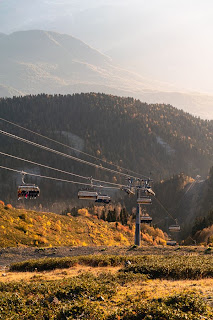
Blue Mountain is southern Ontario’s biggest four-season resort, about two hours northwest of Toronto on the Niagara Escarpment above Georgian Bay, and the village at its base stays lively in every season. The open-air gondola runs from spring through autumn and carries you from the village to the top of the escarpment, where hiking and biking trails start and the view opens across the village rooftops to the bay — autumn, when the hillside turns, is the best ride of the year. A short drive away, Scenic Caves Nature Adventures holds southern Ontario’s longest suspension footbridge, a 420-foot span 82 feet above the forest floor, with caves, lookouts and more than 15 kilometres of trails in a UNESCO biosphere reserve; it is a separate ticketed attraction, so give it its own half-day within your day. Finish in Collingwood, a proper working town with a harbour, a walkable historic downtown and a solid lunch-and-browse afternoon on the way home.
One-day plan
Ride the gondola mid-morning, walk a summit trail, lunch at the village, spend the afternoon at Scenic Caves or in downtown Collingwood, and leave before the evening traffic builds on Highway 26.
8. Hamilton’s waterfalls — about 1 hour
Hamilton is the closest real wilderness on this list — about an hour from downtown Toronto — and it calls itself the waterfall capital of the world, with more than 100 waterfalls and cascades inside the city limits where creeks drop over the Niagara Escarpment. The headline pair sits together in the Spencer Gorge Conservation Area: Tew Falls, at 41 metres the tallest waterfall in Hamilton, and Webster’s Falls, a wide curtain of about 22 metres with a stone footbridge in front of it, joined by a gorge-rim trail that also reaches the Dundas Peak lookout over the valley. Check before you go whether the conservation area needs an advance reservation that day, especially on busy weekends, and wear proper shoes: the trails are forest paths, not boardwalks, and the gorge edges are fenced for a reason — stay behind the railings. Beyond the gorge, Albion Falls, Tiffany Falls and the Devil’s Punchbowl each reward a short detour, and the drive back along the escarpment is a view in itself.
One-day plan
Start at Spencer Gorge for Tew and Webster’s Falls, walk to Dundas Peak, pick one more waterfall for the afternoon, and finish with an early dinner on Locke Street or in Dundas.
9. Kleinburg and the McMichael — about 35 to 45 minutes
The shortest real escape on this list, and one of the most rewarding. The McMichael Canadian Art Collection sits in a log-and-stone gallery in the Humber River valley at Kleinburg, about 40 kilometres northwest of downtown Toronto, and it is the largest public gallery in Canada devoted to Canadian and Indigenous art, with a permanent collection of more than 6,500 works by Tom Thomson, the Group of Seven, their contemporaries and contemporary Indigenous artists. The building sits on 100 acres of conservation land, with trails, a sculpture garden and valley views that are glorious under autumn colour — the art inside and the landscape outside are the same subject. Kleinburg village itself is a tidy main street of cafes, bakeries and small shops that makes a gentle lunch stop, and the whole outing is doable in a half-day if the morning is all you have.
One-day plan
Arrive when the gallery opens, give the collection two unhurried hours, walk a valley trail, and lunch in Kleinburg village before an early afternoon home.
10. Scarborough Bluffs and Rouge Park — 30 to 45 minutes
The day trip for when you want nature without the highway. The Scarborough Bluffs are a 15-kilometre wall of pale cliffs along Lake Ontario in the city’s east end, rising up to 90 metres above the water, and Bluffer’s Park at the foot of Brimley Road is the only Bluffs park with a beach — picnic areas, a marina and the cliffs rising straight overhead. From the top, Cathedral Bluffs Park gives the wide, layered cliff view that earns the comparison to Dover, and the cliff edge is actively eroding, so stay behind the fences and never climb down the face. Then drive east into the Rouge valley, where Rouge National Urban Park protects river and forest trails at the city’s edge; the contrast is the point — lake cliffs in the morning, quiet forest trail in the afternoon, and home before the city has finished its own Saturday.
One-day plan
Start at Bluffer’s Park beach in the morning, drive up to Cathedral Bluffs Park for the lookout, lunch in the east end, and spend the afternoon on a Rouge valley trail.
How to pick the right trip
First time out of the city? Start with Niagara Falls or Hamilton — both are short drives with a big payoff. Wine lovers should take Niagara-on-the-Lake for the grand estates and an easy day, or Prince Edward County for the slower, smaller-room version. Families with a free Saturday do best at St. Jacobs in the morning or the Bluffs and Rouge, where the day bends around naps and picnics instead of tickets. Theatre and food people belong in Stratford, art lovers in Kleinburg, and anyone chasing fall colour should aim for Elora, Blue Mountain or Hamilton in mid-October, when the escarpment and the gorge light up together.
Before you go
Drive times here are for light traffic from downtown Toronto — Friday evenings, Saturday mornings and summer Sunday afternoons on the QEW and Highway 401 can add an hour, so leave early and check traffic before you go. Most of the attractions on this list are ticketed, and the ones that need booking — theatre seats, winery tastings, the boat cruise, the gondola and some conservation areas — are the ones worth booking ahead. Check opening times and seasonal schedules the night before, because many of these places run shorter hours outside summer; the boat cruise at Niagara, for example, is seasonal, and several wineries trim their tasting-room days in winter. Pack layers, wear real shoes for any trail, download offline maps for the rural stretches where signal drops, and bring a designated driver if wine tasting is on the plan. For longer escapes, see our 6 Perfect Fall Weekend Getaways from Toronto and our Travel Tips for Visitors page — and pair this guide with Niagara Parks, the Grand River Conservation Authority, St. Jacobs Farmers’ Market, Blue Mountain and the McMichael Canadian Art Collection for current hours and tickets before you leave.
Been somewhere amazing? Share your tips and experiences in the comments or on our Share Your Tips page — the best reader suggestions get featured as Community Picks!
Leave a Reply